

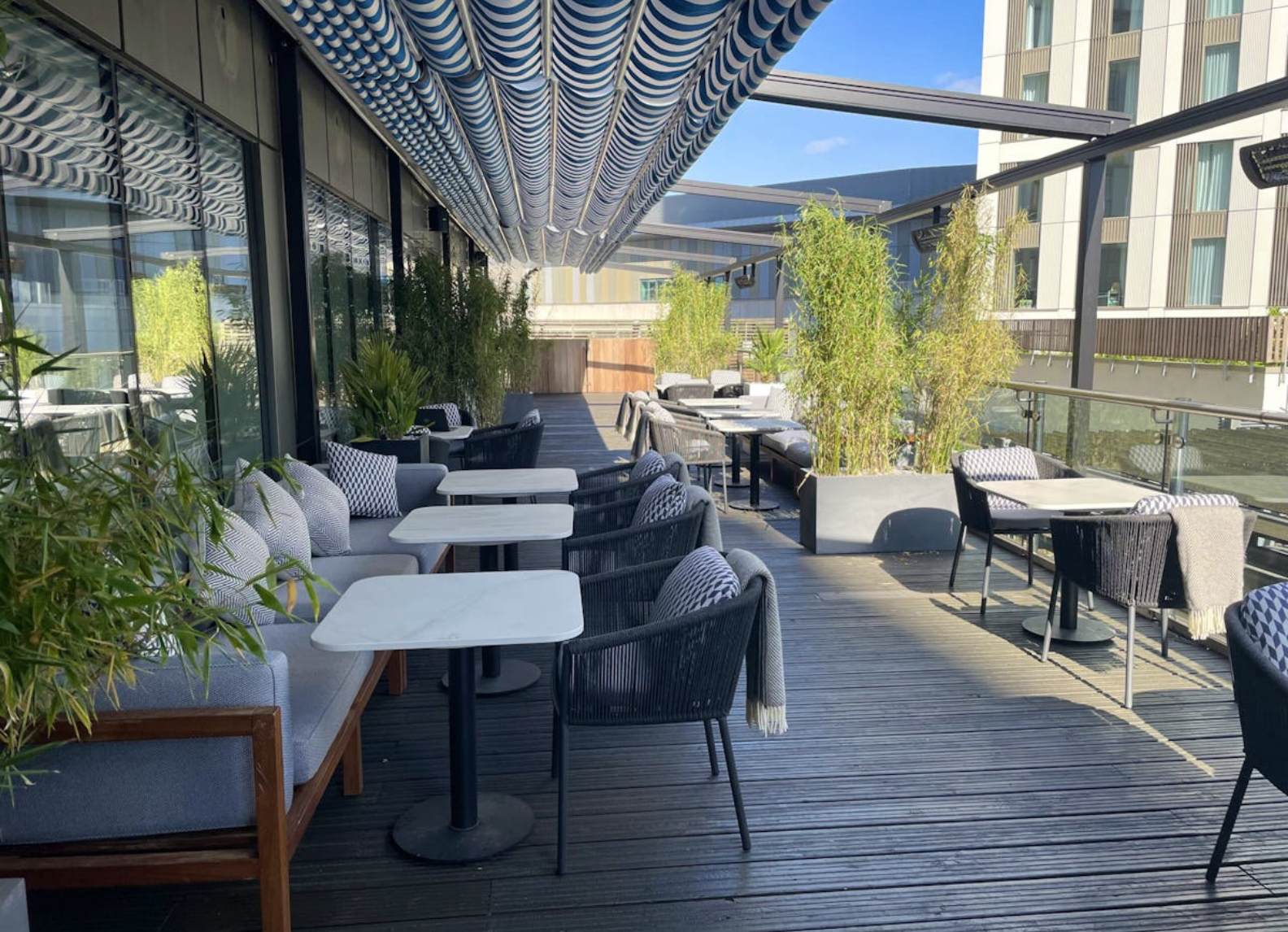
How Hotels Use Shading Systems to Improve Guest Experience
Guest expectations within the hospitality sector continue to evolve. Modern travellers are no longer looking solely for comfortable rooms and quality service. They increasingly expect memorable environments, flexible spaces and thoughtful design throughout the property.
Outdoor areas now play a significant role in shaping that experience. Terraces, rooftops, courtyards and poolside areas provide valuable opportunities for hotels to enhance both guest comfort and operational capacity. When designed properly, these spaces become extensions of the hotel rather than simply decorative outdoor zones.
Pergolas, awnings and advanced shading systems allow hotels to transform exposed outdoor areas into comfortable, usable environments throughout the year. These structures provide protection from sun, light rain and wind while maintaining an open and inviting atmosphere. As a result, hotels can deliver a better guest experience while also maximising the value of their outdoor space.
Enhancing Outdoor Dining Experiences
Outdoor dining is one of the most attractive amenities for hotel guests. Breakfast on a terrace, afternoon drinks in a garden setting or dinner under soft lighting can significantly elevate a guest’s stay.
However, without adequate protection from the elements, outdoor seating areas can quickly become impractical. Excessive sunlight, sudden rain or strong winds often force hotels to close or limit terrace service, reducing both capacity and guest satisfaction.
Pergolas and shading systems help address this challenge by creating controlled environments that maintain the benefits of outdoor dining while improving comfort. Adjustable louvre roofs, for example, allow hotels to regulate sunlight and ventilation during warmer periods while providing shelter when weather conditions change.
By providing reliable outdoor seating, hotels can serve more guests during peak periods and deliver a more consistent dining experience throughout the day.
Transforming Rooftop and Terrace Spaces
Rooftop terraces are among the most desirable features in modern hotels. They provide impressive views, a unique atmosphere and strong appeal for both guests and visitors. Despite their potential, rooftop spaces are also highly exposed to the elements.
Pergolas and architectural shading structures allow hotels to retain the openness of rooftop environments while improving usability. These systems introduce structure without blocking views, allowing guests to enjoy the setting while remaining protected from direct sunlight or light rain.
Many hotels enhance these areas further by integrating lighting, heating and side screens into the structure. This creates comfortable evening environments suitable for cocktail lounges, rooftop restaurants or private events. As a result, rooftop areas can remain active well beyond daylight hours, significantly increasing their value to the hotel.
Improving Poolside Comfort
Pool areas are another focal point for many hotels, particularly during warmer seasons. While guests enjoy spending time near the pool, prolonged exposure to direct sunlight can quickly become uncomfortable.
Pergolas provide structured shade while maintaining an elegant and open design. Positioned near loungers, seating areas or cabanas, they allow guests to relax comfortably without leaving the poolside environment.
Hotels frequently combine pergolas with premium outdoor furniture, daybeds and integrated lighting to create dedicated relaxation zones. These areas often become some of the most photographed and shared spaces within the property, contributing positively to the hotel’s overall image.
Supporting Events and Special Occasions
Hotels often host weddings, private celebrations and corporate events. Outdoor venues are particularly popular for these occasions because they offer natural scenery and a relaxed atmosphere.
However, weather uncertainty can limit how confidently hotels offer outdoor event spaces. Pergolas and shading systems help address this concern by providing protection while preserving the outdoor setting guests expect.
These structures also serve as attractive architectural features that support decorative lighting, floral installations and event styling. By providing reliable outdoor venues, hotels can expand their event offerings and accommodate a wider range of functions throughout the year.
Contributing to Energy Efficiency and Indoor Comfort
Shading systems can also contribute to the internal comfort of hotel buildings. When positioned near façades with large windows or glass doors, awnings and pergolas help reduce solar heat gain during warmer months.
This reduction in direct sunlight can help stabilise indoor temperatures and decrease reliance on cooling systems. For hotels with large glazed areas facing outdoor terraces, shading solutions can play a useful role in improving overall energy efficiency.
While the primary benefit remains guest comfort, these systems can also support broader sustainability and operational goals.
Strengthening Architectural Identity
In the hospitality sector, design and atmosphere are central to brand identity. Well-designed outdoor areas contribute to the overall visual language of a hotel.
Modern pergolas and shading systems offer clean architectural lines, durable materials and integrated technology that complement contemporary hotel design. They can help define outdoor zones, create visual structure and enhance the perceived quality of the property.
Attractive outdoor spaces also encourage guest interaction and social sharing. Terraces and rooftop lounges that photograph well often gain visibility through guest-generated content, indirectly supporting the hotel’s marketing efforts.
Unlocking the Full Potential of Outdoor Space
Perhaps the most significant benefit of shading systems is their ability to transform underused outdoor areas into functional spaces.
Terraces that were previously limited by weather conditions can become fully operational dining zones. Courtyards can evolve into quiet relaxation areas. Rooftops can host evening events and social gatherings.
By increasing usability and flexibility, hotels are able to maximise the return on their outdoor space while delivering a richer experience for their guests.
Designing Outdoor Spaces That Guests Remember
The hospitality industry continues to move toward experience-driven travel. Guests increasingly choose hotels that offer distinctive environments and memorable spaces.
Pergolas, awnings and advanced shading systems enable hotels to create comfortable, visually appealing outdoor areas that remain functional across changing seasons.
When thoughtfully integrated into the overall design of the property, these systems allow hotels to elevate guest satisfaction, increase operational capacity and strengthen the overall appeal of their venue.