

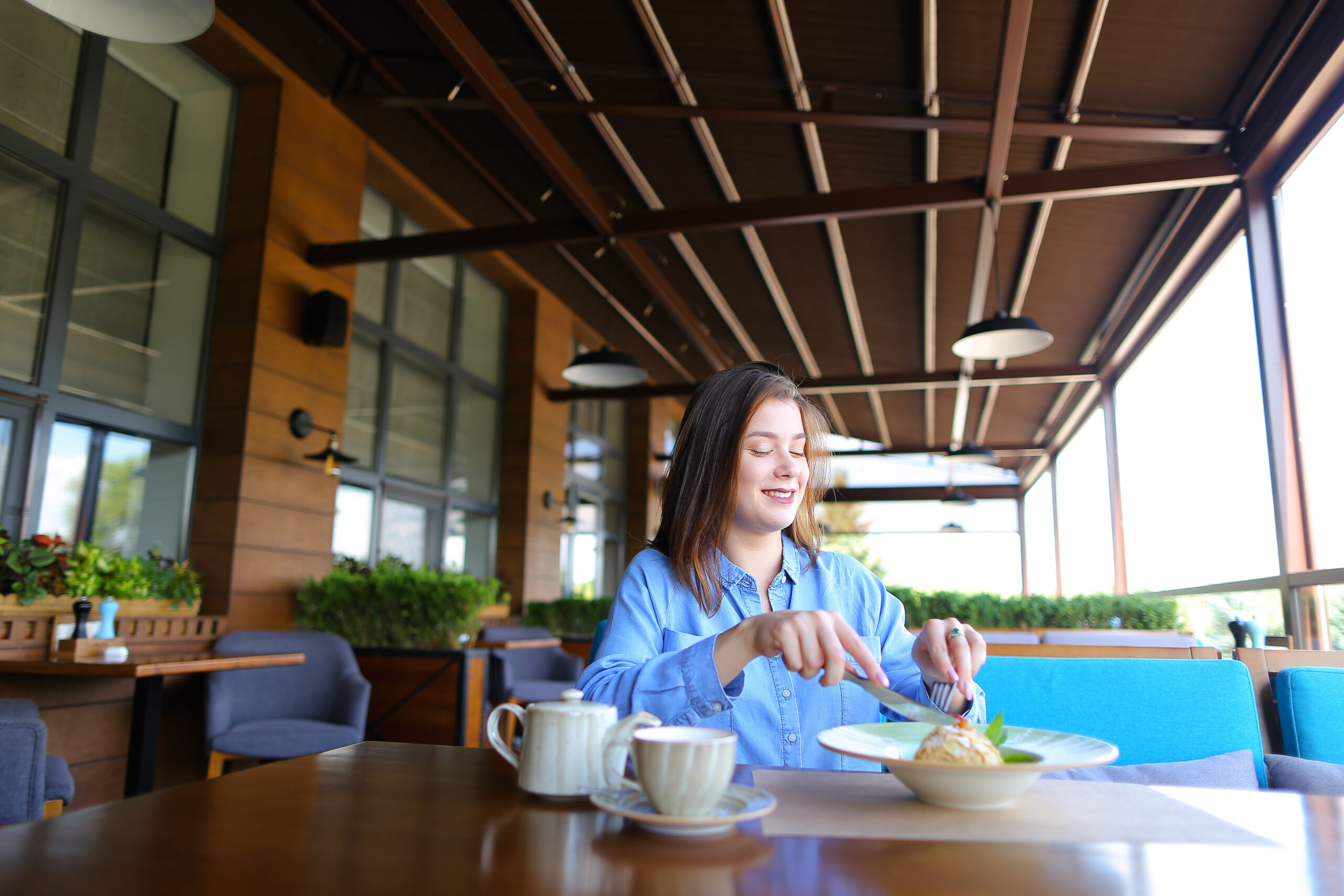
Why Terrace Shading is a Smart Investment for Cafes
For cafe owners, outdoor seating is often one of the most valuable pieces of real estate on the premises. A sunny terrace can pull in passing footfall, extend seating capacity without the cost of a physical extension, and give customers a reason to linger over a second coffee. But without proper shading, that same terrace can just as easily sit half empty, either too hot to sit in during peak sun or too exposed the moment the weather turns. Investing in the right terrace shading is one of the most effective ways for a cafe to protect and grow its revenue from outdoor space, and here is why.
Outdoor Seating is Revenue, Not Just Ambience
It is easy to think of a terrace as a nice extra rather than a core part of the business, but for most cafes it functions as genuine additional trading space. Every table outside is a table that did not require extending the building or paying for more square footage inside. The challenge is that, without shading, this space is only reliably usable for a fraction of the year and a fraction of each day.
A terrace that bakes in direct sun from late morning onwards often sees customers avoid it exactly when footfall should be highest. Equally, a terrace with no weather protection at all becomes unusable the moment there is a shower or a stronger than expected breeze. In both cases, the business is paying for outdoor space that is not consistently earning its keep. Commercial shading solutions exist to close that gap, turning an unpredictable, weather dependent space into one that can be used with confidence for far more of the year.
The Direct Financial Case for Terrace Shading
More Usable Covers, More Often
A well shaded terrace is comfortable across a much wider range of weather conditions than an unshaded one. Instead of only being usable on mild, overcast days or in short bursts of shade, a properly shaded terrace can be used through strong sun, light rain, and cooler evenings. For a cafe, this directly translates into more available covers across the day and across the year, without adding a single extra table.
Extended Trading Hours and Seasons
Shading, particularly when paired with heating, allows cafes to keep outdoor seating open later into the evening and further into autumn and even winter. A retractable awning or pergola with integrated heating and lighting can turn a terrace that previously closed by early evening or shut down completely after September into a space that trades comfortably for most of the year. Every additional hour or month of usable outdoor trading is additional revenue that would otherwise be lost.
Protection for Furniture and Fit Out
Outdoor furniture, umbrellas, and soft furnishings represent a real investment, and constant UV exposure and weather wear age them quickly, leading to more frequent replacement. Shading reduces this wear considerably, protecting the look and lifespan of the outdoor fit out and reducing ongoing replacement costs over time.
Reduced Staff Time Spent Managing The Weather
Without a proper shading system, staff often end up managing furniture, parasols, and signage reactively, moving things in and out depending on sun, wind, and rain throughout the day. This is time that could otherwise be spent serving customers. A retractable, weather adapted shading system removes much of this reactive work, letting staff focus on service rather than managing the terrace around the forecast.
Customer Experience and Retention
Shading does more than protect the business financially, it also directly shapes the customer experience. A terrace that is comfortable regardless of whether the sun is blazing or a light shower rolls through encourages customers to stay longer, order more, and return more often. Comfort has a direct link to dwell time, and dwell time has a direct link to spend, particularly in a cafe setting where a second coffee or a slice of cake is often an impulse decision driven by how pleasant it is to stay a little longer.
Shading also broadens who feels comfortable using the terrace at all. Families with young children, older customers, and anyone sensitive to strong sun are far more likely to choose a shaded table over an exposed one. Without shading, a cafe may unintentionally be limiting its terrace to a narrower group of customers who are happy to sit in full sun or take their chances with the weather.
Why Terrace Shading Also Supports Brand Perception
A cafe with a well designed, properly shaded terrace tends to look considerably more established and professional than one with a mismatched collection of parasols pulled out on sunny days. Shading, particularly when designed as part of the overall fit out rather than added as an afterthought, contributes directly to how premium and considered the space feels. This matters for footfall too, since a terrace that looks inviting and well finished from the street is far more likely to draw in passing customers than one that looks improvised.
This is particularly relevant for cafes competing in busy high street or retail locations, where the terrace is often the first thing a passing customer sees before deciding whether to stop.
Choosing The Right Shading Solution for a Cafe Terrace
Not every cafe terrace needs the same solution, and getting this right depends on a few key factors.
Orientation and sun exposure. A terrace that faces direct sun for most of the day will benefit from a full coverage solution such as a retractable awning or Louvre Roof, while a partially shaded space may only need lighter coverage such as Parasols and Umbrellas.
Available space and layout. Smaller terraces often suit a retractable awning fixed to the building, while larger or freestanding terrace areas may be better suited to a pergola or Louvre Roof system that does not rely on an adjoining wall.
Trading hours and seasonality. Cafes wanting to trade later into the evening or through cooler months should consider shading paired with heating and lighting, or in some cases a fully enclosed glass room for genuine year round use regardless of weather.
Weather resilience. Wind exposed terraces benefit from systems with automated wind sensors that retract automatically in stronger conditions, protecting both the shading system and anyone seated beneath it.
Getting this specification right from the outset avoids the common mistake of investing in a shading solution that looks the part but does not actually solve the specific weather and usage challenges of that particular terrace.
The Long Term Return On Investment
While terrace shading involves an upfront investment, the return is usually measured across several areas at once. There is the direct increase in usable trading days and hours, the reduced cost of replacing weather damaged furniture, the reduced staff time spent reactively managing the space, and the less quantifiable but very real impact of a more inviting terrace on footfall and customer retention.
For a cafe with even a modest number of outdoor tables, filling those covers more consistently across the year, rather than only on a handful of ideal weather days, can represent a meaningful and recurring increase in revenue that continues to pay back long after the initial installation cost.
Working With a Specialist Installer
Because terrace shading is both a structural and a design decision, working with an experienced specialist makes a significant difference to how well the finished system performs and how long it lasts. At Shade Space, commercial terrace shading is designed around the exact layout, orientation, and trading pattern of each venue, drawing on more than 35 years of specialist experience across pubs, cafes, restaurants, and hotels. This is reflected in a portfolio of commercial projects including venues such as the Hyatt Regency Hotel and Suffolk Food Hall, along with a 4.9 star rating from 50+ Google Reviews and recognition as BBSA Awards 2026 Winner for Best Large Scale Commercial Shading Installation.
Get More From Your Terrace
A cafe terrace without proper shading is rarely underperforming because customers do not want to sit outside, it is usually because the space itself is not comfortable or reliable enough, often enough, to be used with confidence. Investing in the right shading solution turns that terrace into a space that works for the business across far more of the year, rather than only on the handful of days when the weather happens to cooperate.
Get in touch to book a survey or request a quote, and find out which terrace shading solution, from retractable awnings and pergolas to glass rooms and Louvre Roofs, is the right fit for your cafe.