

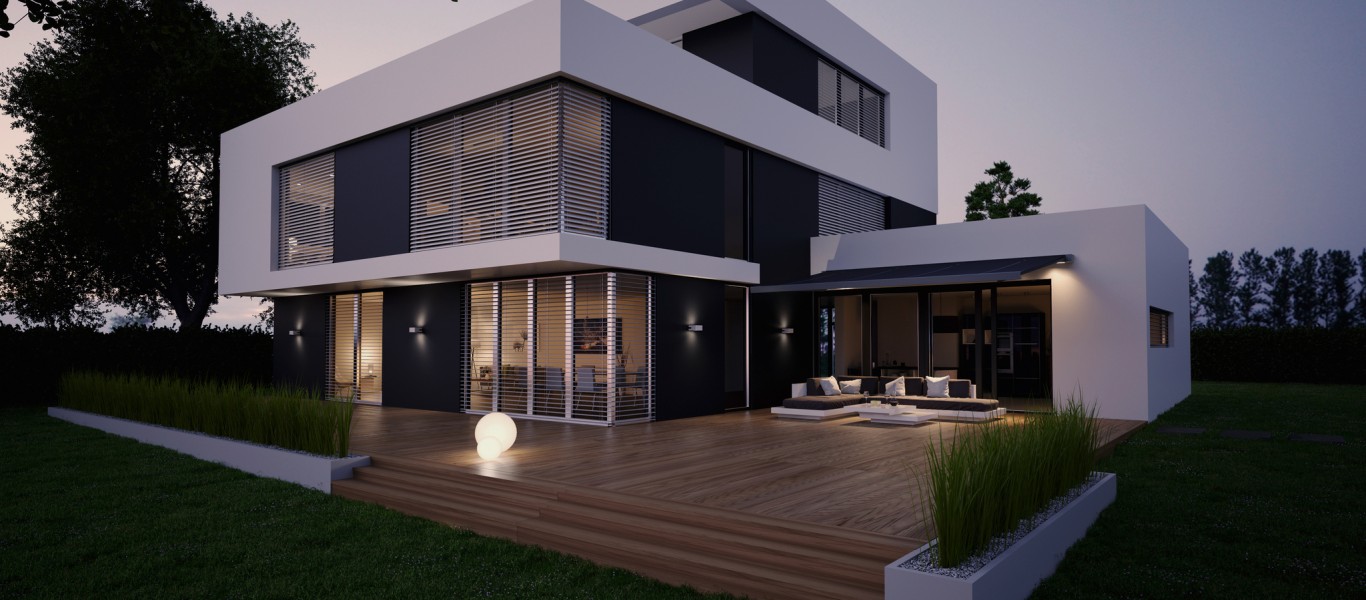
How Smart Awnings Automatically Adapt to the Weather
Modern homes are evolving at a rapid pace, becoming more intelligent, responsive, and intuitive than ever before. From sophisticated lighting and climate control systems that adjust based on your daily routine to advanced security cameras and voice controlled assistants that manage your household appliances, technology is fundamentally changing the way we interact with our living environments. As this technological revolution continues to integrate into every facet of our daily lives, outdoor spaces are naturally the next frontier. For many years, outdoor living was limited by manual, cumbersome systems that required constant physical intervention to provide shade or shelter during changing weather conditions. Today, however, that paradigm has shifted entirely. Smart awnings have evolved far beyond the simple, manual crank systems of the past to become sophisticated, automated structures that monitor changing weather conditions and respond instantly without any input from the homeowner. Whether it is extending when the sun becomes too intense, retracting when strong winds threaten the structure, or integrating seamlessly with your wider smart home ecosystem, these automated systems offer a level of convenience, protection, and operational efficiency that was once unimaginable for residential properties. For homeowners residing in London, Surrey, and the surrounding Home Counties, smart awnings are rapidly becoming an essential investment. They do not just create more comfortable outdoor living spaces; they protect expensive outdoor furniture, reduce solar heat gain within the house, and significantly improve the overall thermal performance of the property. In this comprehensive guide, we will explore the intricate technology behind smart awnings, examine their primary benefits, and explain why they are now considered one of the most desirable features in contemporary outdoor design.
What Defines a Smart Awning?
At its core, a smart awning is a motorised, retractable shading system equipped with an array of sensors and advanced automation technology that enables it to react automatically to shifting environmental conditions. Unlike traditional manual awnings, which require the homeowner to manually wind them in or out as the weather changes, smart systems are designed for autonomy. They continuously monitor their immediate environment through integrated sensors that detect critical variables such as sunlight intensity, wind speed, precipitation, and ambient temperature. Once these sensors identify a change, they communicate directly with the awning motor to trigger the necessary extension or retraction of the fabric. This process is entirely seamless, requiring no intervention from the user, though many systems also provide the flexibility of remote operation through smartphone applications, dedicated wireless remotes, or integration with centralised smart home platforms. The result is an intelligent shading solution that works effectively throughout the entire day, protecting both the awning structure itself and the outdoor space beneath it from the elements.
The Rising Popularity of Intelligent Outdoor Living
Technology has already transformed nearly every other aspect of the modern residence. We now enjoy heating systems that learn our household routines, lighting that adjusts its brightness automatically throughout the day, and security cameras that send instant notifications to our devices. Voice assistants have become common tools for controlling everyday appliances, and homeowners have naturally begun to expect this same level of convenience in their outdoor areas. The shift toward smart awnings is a direct response to this demand for automated comfort. Rather than manually adjusting shade multiple times throughout the day, automated systems remove the guesswork entirely. When the sun comes out, the awning extends; when the wind picks up, the awning retracts; and when rain begins, the system responds accordingly. This growing demand reflects a wider, societal move towards creating intelligent homes that are easier to manage while simultaneously improving energy efficiency and overall comfort.
How Sun Sensors Revolutionise Outdoor Comfort
One of the most valuable features of a smart awning is its innate ability to respond to solar intensity. A sun sensor serves as the primary tool for this function, measuring light intensity throughout the day. When solar levels exceed a pre set threshold, the awning automatically extends to provide shade over patios, terraces, or large glazed areas of the home. This offers several distinct advantages for the homeowner. First, it creates a cooler, more enjoyable outdoor environment, making the space usable even during periods of intense sunshine when you might otherwise be forced indoors. Second, and perhaps more importantly for the indoor environment, it reduces the amount of direct sunlight entering through windows and sliding doors. By blocking solar radiation before it hits the glass, the awning helps minimise solar heat gain inside the property, keeping interior temperatures more manageable. Unlike manual systems, where shading is only as good as the homeowner’s memory, automated sun sensors ensure that your home and terrace are always protected exactly when they need it most.
Wind Sensors: Protecting Your Long Term Investment
Strong winds represent one of the most significant risks to any retractable awning system. If an awning is left extended during high winds, the fabric and the framework can experience significant structural stress, which may lead to damage or even total failure. Smart wind sensors completely eliminate this concern by providing a layer of autonomous protection. These sensors are typically mounted discreetly on the awning or the building facade, where they continuously monitor wind speed in real time. If gusts or sustained wind speeds exceed the recommended operating limits, the awning retracts automatically to preserve the integrity of the structure. This feature provides invaluable peace of mind, particularly when homeowners are away from the property for the day or simply forget to retract the awning before leaving home. Beyond safety, this feature also extends the functional lifespan of the system by reducing unnecessary wear and tear caused by extreme weather conditions.
Rain Sensors: A Further Layer of Intelligent Protection
While wind protection is critical, many smart awning systems also incorporate rain sensors to provide comprehensive weather management. When precipitation is detected, the system can either retract or respond based on the specific configuration of the awning. For waterproof pergola style systems, rain sensors might keep the roof closed to provide a dry shelter for outdoor activities. For standard fabric retractable awnings, the system may trigger an automatic retraction to protect the fabric from getting saturated or damaged, depending on the manufacturer guidelines and the specific installation type. This results in an outdoor environment that responds naturally to changing conditions without requiring constant supervision or monitoring from the homeowner. It turns an outdoor area into a truly adaptive space that manages itself, allowing you to enjoy your garden with the confidence that your equipment is protected from the British climate.
Smartphone Control and Remote Accessibility
Automation does not remove the homeowner from the decision making process; instead, it grants you greater control than ever before. Most premium smart awnings can be operated using a dedicated smartphone application, which gives you complete command over your shading regardless of your physical location. Whether you are relaxing in another room of the house, traveling abroad on holiday, or sitting in the office, you can check the status of your awning and operate it with the tap of a button. This flexibility is incredibly useful if the weather turns unexpectedly while you are away from the property. Furthermore, many systems allow users to customise their automation settings, adjust the sensitivity of the sensors to suit their specific preferences, and create personalised operating schedules. This level of control ensures that the technology works for you, rather than the other way around.
Integration With the Modern Smart Home Ecosystem
Smart awnings are increasingly designed to integrate with wider home automation platforms, moving away from standalone devices toward a fully connected home experience. Depending on the specific system selected, homeowners can connect their awning with popular smart technologies such as Google Home, Amazon Alexa, Apple HomeKit, or the Somfy TaHoma system. This connectivity creates a truly smart residence where indoor and outdoor environments work in harmony to improve comfort. For instance, a sophisticated automation routine might involve the awning automatically extending while internal blinds close simultaneously during periods of strong sunshine to optimise thermal control. By linking these systems together, you create a home that manages its own environment, reducing the need for manual adjustments and ensuring maximum energy efficiency throughout the year.
Keeping Your Home Cooler Naturally
One of the most compelling advantages of installing a smart awning is its proven ability to reduce overheating within the home. South facing homes often experience significant solar heat gain during the afternoon as large areas of glazing allow sunlight to flood into the interior, raising indoor temperatures and increasing the reliance on fans or energy intensive air conditioning. External shading functions very differently from internal curtains or blinds. Instead of trying to cool a room after heat has already entered the space, the awning blocks a massive portion of solar radiation before it ever touches the glass. This helps maintain much more comfortable indoor temperatures, reduces glare on screens and furniture, and improves overall comfort without the need for additional cooling energy. The British Blind and Shutter Association continues to promote external shading as one of the most effective and sustainable ways to reduce overheating in buildings, an increasingly important consideration in our warming climate.
Improving Outdoor Comfort Throughout the Day
Without proper shade, patios and terraces can quickly become too hot or uncomfortable to enjoy during the middle of the day. A smart awning continuously responds to sunlight, maintaining comfortable levels of shade exactly when it is required. This effectively transforms your outdoor space into a reliable, usable living area throughout the day, perfect for family meals, garden parties, reading, remote working, children at play, or simple relaxation. Instead of constantly moving parasols around the patio or adjusting your seating position to avoid the glare, homeowners can simply enjoy the space while the awning manages the environmental conditions automatically. It is the ultimate convenience, ensuring your outdoor living area is always ready for use.
Protecting Your Valuable Outdoor Furniture
Ultraviolet radiation does more than make outdoor spaces feel uncomfortable; it gradually fades the colour and degrades the material of furniture, cushions, rugs, and decorative finishes. Smart awnings automatically deploy during periods of intense sunshine, acting as a shield to help protect expensive outdoor furnishings from prolonged UV exposure. This consistent protection not only preserves the aesthetic appearance of your outdoor furniture but also extends the physical lifespan of these premium items, potentially saving you money on replacements and repairs over the years. It is a simple yet effective way to maintain the investment you have made in your garden decor.
Enhancing Energy Efficiency
Smart awnings contribute to energy efficiency in several meaningful ways. By reducing the amount of solar heat entering the home, they drastically lessen the need for mechanical cooling methods such as air conditioning. Because your rooms remain naturally cooler, your air conditioning units work less often, and electric fans can be run for shorter periods or switched off entirely. This creates a more energy efficient home, reducing your carbon footprint while simultaneously improving comfort during the warmer months. The Energy Saving Trust recommends external shading as a vital part of wider strategies for managing overheating in homes, making smart awnings a smart choice for the environmentally conscious homeowner.
The Perfect Addition to Luxury Homes
Across London, Surrey, Berkshire, and the wider Home Counties, luxury homeowners increasingly expect technology to be integrated throughout every aspect of their property, and the outdoor area is no exception. Smart awnings complement contemporary architecture, outdoor kitchens, glass rooms, luxury pergolas, swimming pools, and extensive terrace or landscape designs. They provide immense convenience without ever compromising the visual aesthetics of the home. With concealed motors, sleek cassette designs that protect the fabric when retracted, and discreet sensors that blend into the building facade, modern systems are designed to integrate seamlessly into even the most premium residential properties.
Why Motorised Awnings Are Now the Standard
Only a few years ago, motorisation was considered an optional upgrade or a luxury feature reserved for high end installations. Today, it is rapidly becoming the preferred choice for almost every homeowner. Homeowners appreciate the greater convenience, the improved safety features that protect the system from the elements, the automatic weather protection, and the ease of smartphone control. Furthermore, motorisation leads to reduced maintenance, as the system always operates at the correct speed and torque, ensuring better long term performance compared to manual systems that are prone to uneven handling. As outdoor living continues to evolve, intelligent automation is quickly becoming an expected feature rather than a luxury, representing the standard for modern property design.
Choosing the Right Smart Awning for Your Property
Every property is unique, and selecting the right shading solution requires a personalised approach. Factors such as garden orientation, the specific layout of your terrace, prevailing wind conditions, and the architectural style of your home all influence the ideal specification for your awning. Working with experienced specialists ensures that you select the right combination of awning size, fabric quality, motor system, weather sensors, automation controls, and integration options. A bespoke approach ensures the awning performs reliably for many years while complementing the design and functionality of your property perfectly.
The Shade Space Advantage
At Shade Space, we specialise in premium retractable awnings designed specifically around the way you live. Our systems combine elegant, high quality design with intelligent technology to deliver outdoor spaces that remain comfortable throughout the changing seasons. We offer a full suite of motorised awnings, smart weather sensors, luxury fabrics, integrated lighting, and remote operation systems, all backed by professional installation services. With more than 35 years of experience, our team designs bespoke shading solutions for luxury homes, hospitality venues, and commercial properties across London, Surrey, and the South East. We are dedicated to providing solutions that do not just provide shade, but that enhance your home and your quality of life.
Book Your Free Survey
If you are considering upgrading your outdoor space, discover how a smart awning can completely transform the way you enjoy your garden. Book a free survey with the experts at Shade Space and let our specialists recommend the ideal automated shading solution for your property. Our team is ready to guide you through the process, from initial design concepts to the final installation of your automated shading solution.