

Common Mistakes to Avoid When Buying a Pergola
Transforming your garden into a functional, all-weather living space is an exciting prospect. A high-quality pergola does more than provide shade; it creates an architectural extension of your home, bridging the gap between indoor comfort and outdoor beauty. However, with the rising popularity of outdoor structures in the UK, it is easy to become overwhelmed by the sheer variety of options on the market. Selecting the wrong design, underestimating the impact of our fickle British climate, or overlooking technical requirements can turn what should be a seamless garden upgrade into a costly and frustrating ordeal. To ensure your investment stands the test of time and adds genuine value to your property, it is essential to approach the selection process with a clear strategy. By understanding the common pitfalls many homeowners encounter, you can navigate your project with confidence, ensuring the final result is a beautiful, durable, and highly functional asset for years to come.
Ignoring the Importance of Professional Planning
One of the most frequent mistakes homeowners make is failing to consider the legal and planning landscape before they begin. While many pergolas fall under permitted development rights, this is not a universal rule, especially if you live in a conservation area, a listed building, or have specific restrictions on your property title. Failing to consult the Planning Portal can lead to enforcement notices or the costly requirement to dismantle a structure you have already paid to install. Similarly, neglecting to consider how the pergola aligns with the sun’s path throughout the day can result in a structure that fails to provide shade when you need it most. You must observe your garden at different times of the day to ensure the orientation maximises your comfort.
Misjudging Material Quality and Weather Resistance
The British climate is notoriously unpredictable, shifting from intense summer heat to driving rain and high winds in a matter of hours. A common error is prioritising aesthetic appearance over structural resilience. Choosing lightweight timber or inferior metals that cannot withstand the UK’s moisture levels can lead to warping, rotting, and rust, which severely limits the lifespan of your pergola. You should prioritise high-quality materials specifically engineered for outdoor longevity. Furthermore, ignoring wind loading calculations is a dangerous oversight; if the structure is not professionally anchored to withstand local wind speeds, it poses a risk to your property and safety.
Failing to Consider Drainage and Integrated Features
Many buyers become so enamoured with the look of a solid-roofed pergola that they forget the practicalities of water management. Without a professional integrated drainage system, rainwater will simply pool on the roof or cascade off the edges, turning your beautiful patio into a puddle. A robust drainage solution is essential for all-weather outdoor living. Additionally, some homeowners regret not opting for integrated features from the start. Retrofitting features like LED lighting, heating, or automated side screens is often significantly more expensive and visually intrusive than having them designed into the original installation. Think about how you intend to use the space after sunset or during the cooler shoulder seasons of spring and autumn.
Overlooking the Scale and Proportions
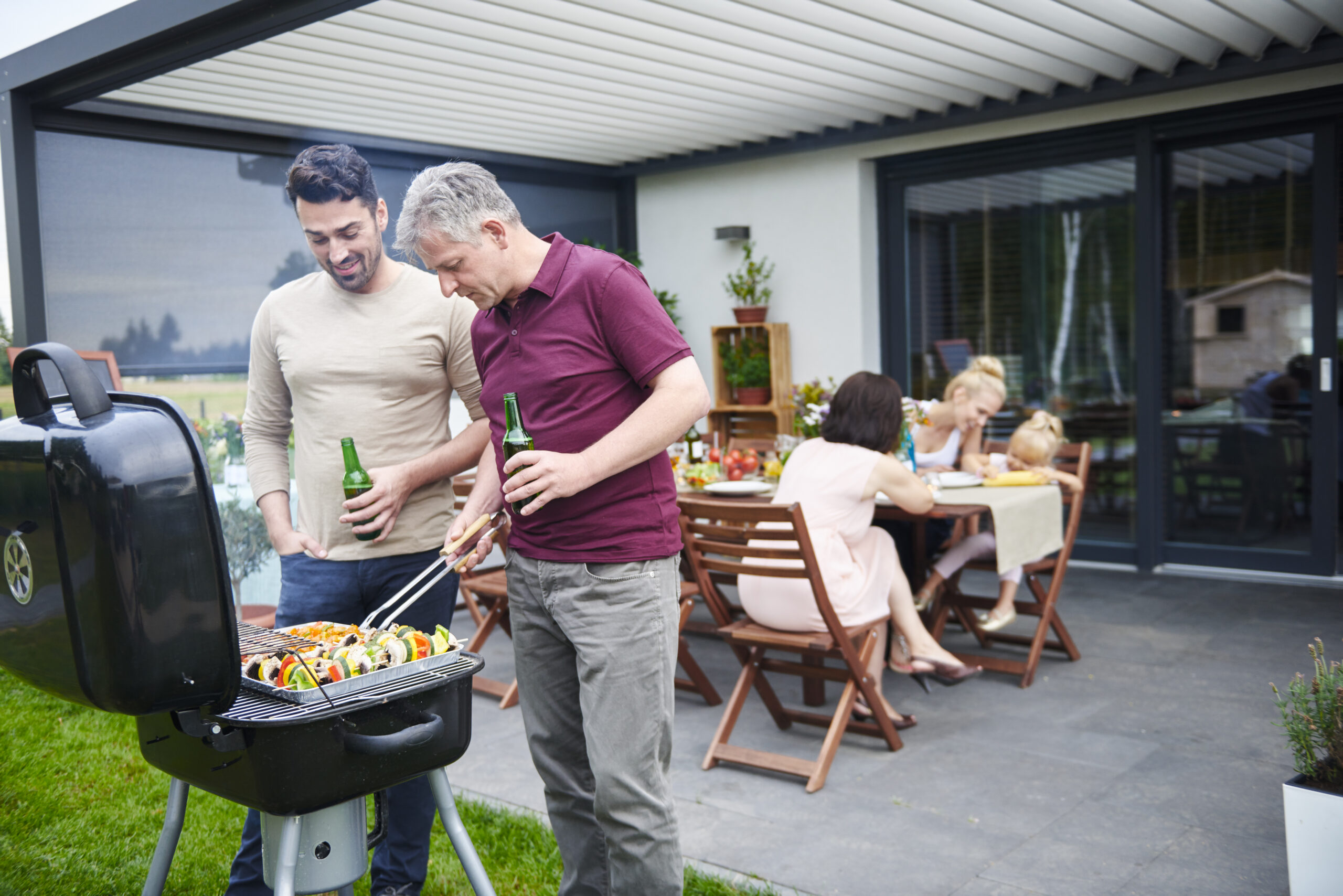
A common aesthetic blunder is misjudging the scale of the structure relative to the garden or the house itself. A pergola that is too small can look lost and insignificant, failing to provide enough coverage to be truly useful. Conversely, a structure that is too large can overwhelm your garden and restrict your view of the sky, making the space feel cramped or dark. It is vital to measure your space carefully and consider how the structure will look from inside the house. Since the pergola will often be viewed through large sliding doors or bi-folds, it should complement the existing architecture rather than competing with it.
Compromising on Installation Expertise
Even the most premium, high-tech pergola will fail if it is installed incorrectly. Attempting to manage the installation as a DIY project or hiring general contractors who lack specific experience with high-end outdoor shading systems is a major risk. Precise alignment is crucial for the operation of louvered roofs or retractable canopies. If the frame is not perfectly level, the movement systems will bind, and the water management will fail. Investing in a professional team ensures the build adheres to rigorous standards, providing you with a seamless, long-term finish.
Final Considerations for a Successful Build
When investing in an outdoor room, remember that this is an extension of your home’s living space. The British Blind and Shutter Association (BBSA) emphasises the importance of professional-grade external shading to control light and temperature, and a pergola is the ultimate expression of this principle. Avoid the trap of “cheaping out” on the structural integrity to save a few pounds in the short term; the true value lies in the durability, ease of use, and year-round utility that a bespoke, professionally designed system provides. By taking the time to plan your orientation, choosing resilient materials, and ensuring professional installation, you avoid the most common pitfalls and secure a beautiful space that truly enhances your property. If you are ready to start your journey towards a perfect garden space, our Shade-Space experts are here to help guide you through every stage.